Posted By : Job seekers
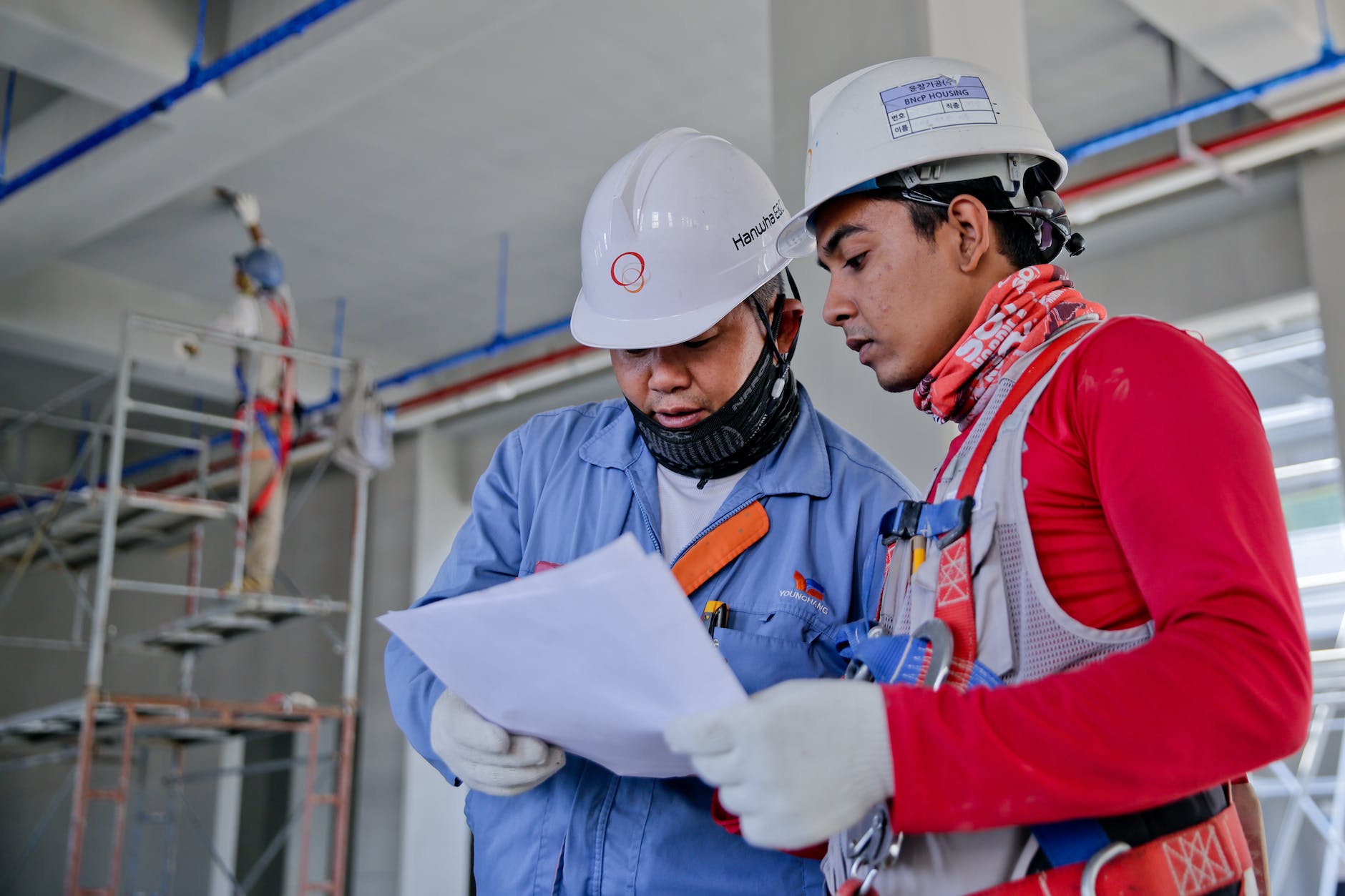
In the dynamic and ever-evolving field of construction and industrial projects, the role of a Site Safety Officer is crucial for maintaining a safe and secure work environment. If you have a passion for ensuring the well-being of others and are interested in a career in occupational safety, becoming a Site Safety Officer could be the perfect fit for you. In this guide, we will walk you through the essential steps to embark on this rewarding career path.
To start your journey as a Site Safety Officer, having a strong educational foundation in occupational health and safety is essential. Consider pursuing a degree in occupational safety, industrial hygiene, or a related field. Many universities and technical schools offer programs specifically designed to prepare individuals for roles in workplace safety.
Building hands-on experience is crucial in the field of site safety. Look for internship opportunities, co-op programs, or entry-level positions in industries such as construction, manufacturing, or oil and gas. This practical experience will provide you with insights into real-world safety challenges and help you develop the skills necessary for the role.
Obtain relevant certifications to enhance your credentials. The most recognized certification for Site Safety Officers is often the Occupational Safety and Health Administration (OSHA) 30-Hour Construction Safety Certification. This certification covers a range of safety topics specific to construction sites and is highly valued in the industry.
The field of occupational safety is dynamic, with regulations and best practices constantly evolving. Stay informed about the latest developments, safety standards, and regulatory changes. Join professional organizations, attend conferences, and participate in workshops to stay up-to-date with industry trends.
Effective communication is a key aspect of the Site Safety Officer role. Develop strong verbal and written communication skills to convey safety guidelines, policies, and procedures clearly to workers and management. Being able to communicate effectively ensures that safety measures are understood and followed throughout the site.

